
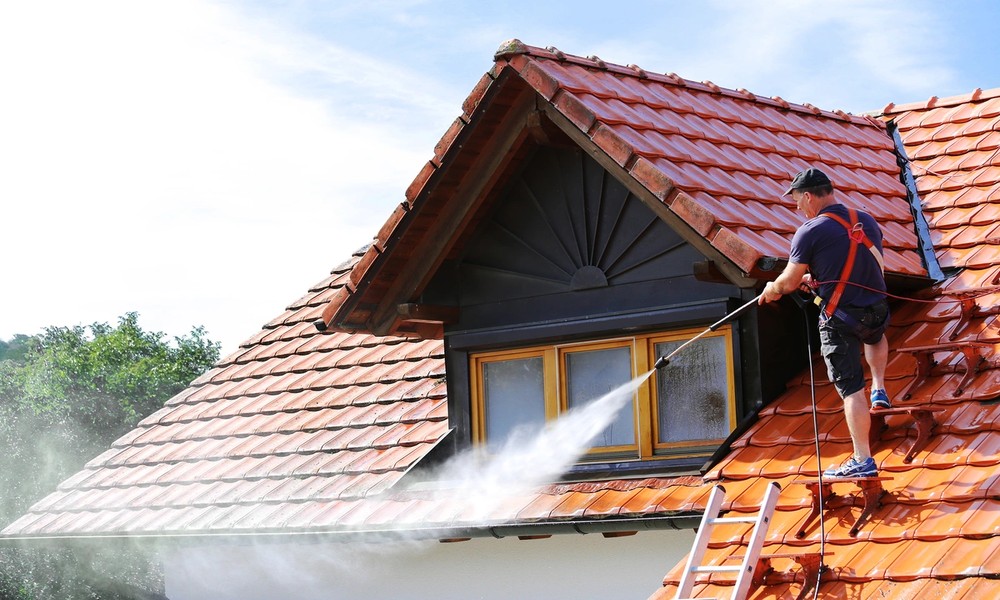

A spotless roof does more than make your house look good. It protects your investment, preserves air quality, and keeps surprise repair bills at bay. Ignoring what’s growing or collecting up top can quickly lead to expensive problems that sneak up on even the most diligent homeowners.
Why Roof Cleaning Matters for Every Homeowner
The Pacific Northwest’s wet climate is famous for nurturing moss, algae, and lichen. These aren’t just unsightly, they slowly degrade roofing materials. Moss, in particular, loves to trap moisture, causing shingles to curl or even rot. Add in decaying leaves and needles, and you’ve set the stage for clogged gutters and leaks. Dirt and organic buildup can also make surfaces slippery, posing dangers even on single-story homes.
Neglecting roof maintenance does more than shorten your shingles’ lifespan. It can void warranties, reduce property value, and lead to water damage that’s costly to fix. Beyond that, a tired-looking roof drags down curb appeal, making your home look older and less cared for than it really is.
Identifying the Right Time to Clean Your Roof
Spring and early fall are generally the best windows for roof cleaning. Heavy rain or snow makes the job risky and inefficient. Keep an eye out for warning signs: green or black streaks, patches of moss or lichen, excessive granule shedding, or water stains in your attic. If you spot any of these, immediate action is wiser than waiting for routine cleaning cycles.
There’s a difference between a scheduled cleaning and emergency maintenance. For example, a sudden moss bloom after a wet winter should be tackled fast, while minor dust or pollen can wait for the next seasonal sweep.
Exploring Roof Cleaning Methods: Pros and Cons
Not all cleaning methods are created equal, and picking the wrong one can do more harm than good.
Pressure Washing: When and How to Use It Safely
Pressure washing blasts away debris fast, but it can also gouge or lift shingles and force water beneath the roofline if used improperly. This approach works best on durable surfaces, like metal or concrete tiles, and only on the lowest setting with a wide spray angle.
Soft Washing: A Gentle Alternative for Delicate Roofs
Soft washing combines low-pressure water with cleaning solutions to remove grime without damaging shingles. It’s ideal for asphalt roofs and composite materials that can’t withstand harsh jets.
Chemical Cleaners: Effectiveness and Environmental Impact
Chemicals can rapidly dissolve moss and stains, but care is needed to avoid harming nearby plants or contaminating runoff. Biodegradable options are available and should always be prioritized over harsher concoctions.
DIY vs. Professional Services: What Should You Know?
Doing it yourself saves money but comes with safety risks and the chance of missing hidden trouble spots. Pros bring specialized equipment and know how to spot early signs of damage. Local experts, like Zachs Power Washing roof cleaning, offer tailored solutions for Olympia and the surrounding area, ensuring both safety and quality.
Essential Tools and Materials for Roof Cleaning
Equipping yourself properly is half the battle.
Safety gear: Always use a sturdy ladder, rubber-soled shoes, gloves, and a safety harness if your roof is steep or high. Never take shortcuts with safety.
Cleaning agents: For most jobs, a mix of soap and water or a roof-specific cleaner is enough. Avoid bleach-heavy solutions unless you have checked compatibility with your roofing material and the surrounding landscaping.
Equipment: Soft-bristle brushes, garden sprayers, and low-pressure washers are commonly used. High-powered pressure washers should only be used by those who understand the risks.
Step-by-Step Guide to Basic Roof Cleaning
Preparation comes first. Clear gutters and trim branches that hang over your roof to reduce future debris. Lay tarps to protect landscaping from runoff. Wet down plants around your home as an extra safeguard from any cleaning agents you use.
Work from the top of the roof downward, applying your cleaning solution in manageable sections. Allow it to dwell just long enough to loosen grime but not so long that it dries out. Use gentle brushing where needed. Rinse thoroughly, ensuring no residue remains.
Finish with a close inspection. Look for loose shingles or lingering moss patches. Address any minor damage before it becomes a bigger issue.
Common Challenges and How to Overcome Them
Moss, algae, and lichen often need targeted treatments. Let cleaning solutions sit a bit longer on these spots before gently brushing them away. For stubborn stains, repeat the application rather than scrubbing harder, which could damage the surface.
If heavy rain is in the forecast, postpone your project. Cleaning agents are less effective when diluted too quickly, and slippery surfaces are dangerous in wet conditions.
Maintaining Your Roof After Cleaning
Routine visual checks, especially after storms, help you catch new problems before they escalate. Plan on a seasonal cleaning rhythm: spring to remove winter debris, fall to prep for winter’s challenges.
Know when to call in the pros. If you notice widespread growth, recurring leaks, or simply want a maintenance reset, scheduling a professional service is a good investment.
Taking Action: Planning Your Roof Cleaning Project
Start by assessing your roof’s current condition. Are you seeing isolated patches or widespread buildup? Factor in the pitch and height of your roof when deciding between DIY and hiring a professional.
Budgeting involves more than just the cost of cleaning agents. Consider safety gear, equipment rentals, and your own time. Getting quotes from reputable local providers can give you a realistic comparison.
When evaluating professionals, check for insurance, local references, and experience with your roofing type. Create a final checklist: weather forecast, safety setup, proper tools, and a plan for managing runoff.
A clean roof protects your home, boosts its value, and sets the tone for the rest of your exterior. Starting with the right technique ensures you get the job done safely and effectively.




Leave a Comment