
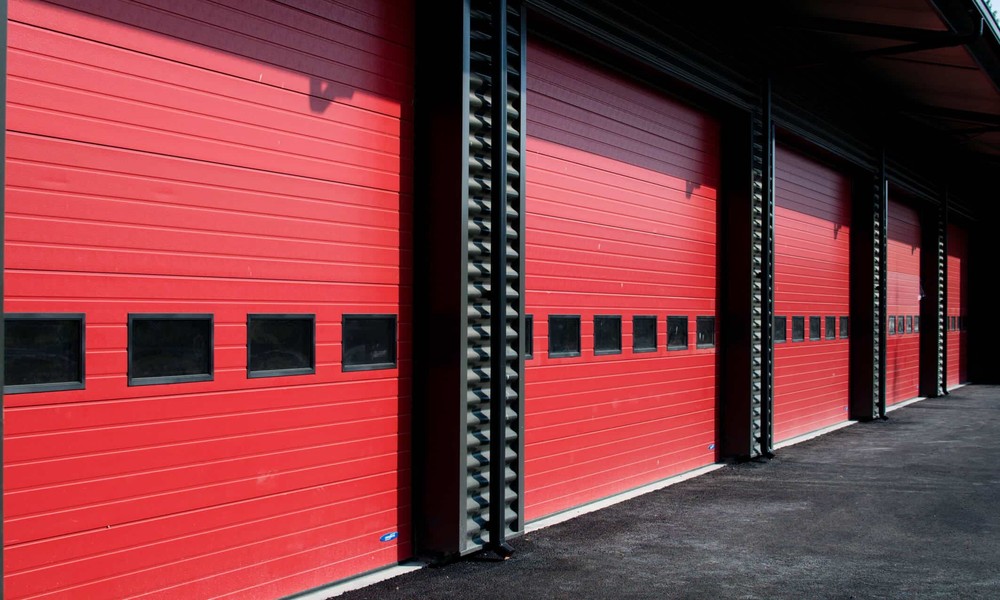

How Steel Rolling Doors Enhance Security and Space in Commercial Buildings
Every square foot counts in a busy commercial building, but so does every second of vulnerability. Security and space are more than conveniences; they are the beating heart of operational success. Yet, many businesses are still saddled with outdated doors that leave valuable assets and precious floor plans exposed.
Challenges of Security and Space in Commercial Buildings
Walk into a typical commercial property, and you will see two persistent issues: the constant threat of unauthorized entry and the ongoing battle to maximize usable space.
Common Security Risks in Commercial Properties
Commercial properties face a barrage of security risks, from forced break-ins to vandalism. Traditional doors, especially older swing or panel types, often become weak points. Their visible hinges and locks invite tampering, while their aging materials offer little resistance to determined intruders. The result? Business owners must constantly weigh repair costs against the looming risk of theft or property damage.
Space Constraints and Operational Efficiency Issues
Beyond security, space is a premium commodity. Swing doors, for example, demand a wide berth to open fully, eating into valuable room that could be used for inventory, equipment, or staff movement. For operations that run on tight schedules or in high-traffic areas, every unnecessary obstruction slows down productivity.
Limitations of Traditional Door Solutions
Sectional and single-panel basculante doors (tilt-up designs) have dominated for decades, and with good reason. They are affordable, fairly easy to install, and familiar to most maintenance staff. However, as detailed in Dor Docteur portes basculantes commerciales, these doors can be heavy, require significant exterior clearance, and may suffer from frequent mechanical issues in busy environments.
How Steel Rolling Doors Address Security Concerns
The move to steel rolling doors is not just a design trend; it is a calculated response to modern security needs.
Strength and Durability of Steel Doors
Unlike their wooden or aluminum counterparts, steel rolling doors are built for endurance. Galvanized steel resists corrosion and stands up to daily wear from both weather and heavy use. The tightly interlocking slats create a solid barrier that is almost impossible to kick in or pry open.
Resistance to Forced Entry and Environmental Factors
Security is not only about keeping people out. These doors also protect against wind, fire, and debris. The absence of exterior hinges or weak panels means fewer points of attack. In fact, insurance companies often recognize the added security by lowering premiums for properties equipped with rolling steel doors.
Integration with Advanced Locking and Automation Systems
Modern rolling doors seamlessly integrate with electronic locks, alarms, and even remote control systems. This means that building managers can lock down or open up access points without setting foot outside, a significant upgrade in both safety and convenience.
Maximizing Space with Steel Rolling Doors
The true genius of steel rolling doors lies in their space-saving design.
Space-saving Design Compared to Swing or Sectional Doors
Rolling doors operate vertically, rolling up into a compact drum above the opening and leaving the area in front and behind the door completely unobstructed. This is a game changer compared to swing and sectional doors, which require extensive clearance to open and close.
Overhead Rolling Mechanism and Ceiling Clearance Benefits
With the rolling mechanism housed overhead, high ceilings can finally be put to better use. Forklifts, tall shelving, and even overhead cranes move unhindered, optimizing traffic flow and storage options.
Flexible Installation in Tight or High-Traffic Areas
Rolling doors can be installed in areas where space is at a premium, such as loading docks, drive-throughs, or service bays. Their smooth, vertical operation means staff and vehicles move through faster, reducing bottlenecks during peak hours.
Comparison of Steel Rolling Doors with Other Commercial Door Types
It is one thing to praise steel rolling doors, but how do they actually stack up against other solutions?
| Feature | Steel Rolling Doors | Sectional Overhead Doors | Swing/Sliding Doors |
|—————————–|———————-|————————-|——————–|
| Security | Excellent | Good | Moderate |
| Space Efficiency | Maximum | Moderate | Poor |
| Maintenance | Low | Moderate | High |
| Installation Complexity | Moderate | Moderate | Low |
| Long-term Cost Effectiveness| High | Moderate | Low |
| Customization | High | High | Moderate |
Sectional overhead doors offer reliable performance, but their tracks and panels still consume ceiling and wall space. Swing and sliding doors may suffice in low-traffic or residential areas but rarely meet the demands of modern commercial properties, especially those prioritizing security.
Key Features and Customization Options for Steel Rolling Doors
Today’s rolling doors are not one-size-fits-all. They are built to suit the unique demands of each facility.
– Material Quality and Finishes: Choose from galvanized steel, powder-coated colors, or even stainless steel for added corrosion resistance.
– Insulation and Weatherproofing Capabilities: Insulated options improve energy efficiency and protect temperature-sensitive goods.
– Automation and Remote Control Compatibility: Advanced systems allow integration with building management platforms and remote access for added convenience.
Installation and Maintenance Considerations
Proper installation is critical. Professional teams ensure doors are level, balanced, and integrated with existing security infrastructure.
Routine maintenance, simple lubrication, periodic inspection of guides, springs, and locking mechanisms, keeps steel rolling doors operating flawlessly for years. Should issues arise, troubleshooting is usually straightforward, often limited to replacing a worn slat or adjusting tension springs.
Making the Choice: Is a Steel Rolling Door Right for Your Commercial Building?
Start by assessing your facility’s security profile and available space. Factor in long-term maintenance savings, insurance reductions, and the operational benefits of a clutter-free entryway. Consulting with specialists, such as those behind Dor Docteur portes basculantes commerciales, can help tailor a solution to your exact needs.
Next Steps: Implementing Steel Rolling Doors for Enhanced Security and Space
Once you have decided to upgrade, look for experienced suppliers and installers who understand commercial requirements. Plan installations during off-peak hours to minimize disruptions and train staff on routine inspections to uphold performance. Regular upgrades, especially to automation and access systems, ensure your doors remain future-proof against evolving security threats.
Steel rolling doors are more than barriers; they are investments in security, efficiency, and peace of mind, turning every entry point into an asset, not a vulnerability.





Leave a Comment