
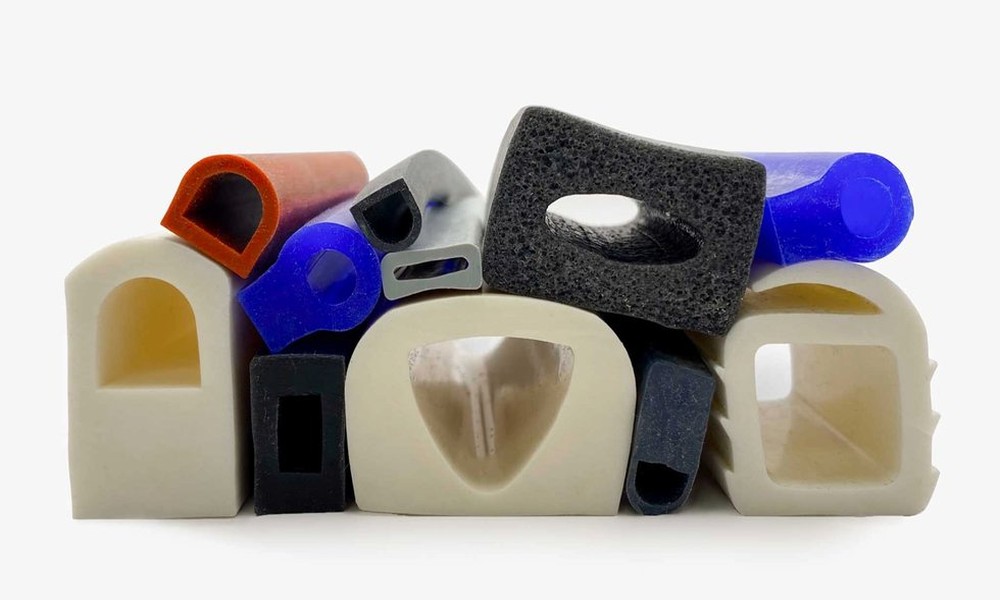

Harsh operating settings reveal material weaknesses quickly. Fuel contact creates one challenge. Temperature variation creates another concern. Engineers examine both factors before selecting sealing compounds. In such environments, fluorosilicone remains a practical choice. A trusted Flourosilicone Manufacturer helps industries obtain compounds suited for critical applications. Their material selections influence reliability, maintenance planning, and service continuity.
Performance Begins With Material Stability
Sealing components face continuous exposure during operation. Their surfaces must retain shape under pressure. If dimensions change, leakage risks may increase. Fluorosilicone performs well because its structure resists fuel absorption.
Aircraft systems offer a useful example. Fuel lines encounter chemical contact throughout service. When sealing elements maintain their original form, equipment remains functional for longer periods. This characteristic explains why engineers often specify fluorosilicone for sensitive assemblies.
How Does Temperature Influence Sealing Behavior?
Temperature affects elastomer performance in several ways. Heat may soften certain compounds over time. Cold conditions can reduce flexibility and movement. Such changes affect contact between sealing surfaces.
Fluorosilicone retains useful elasticity across broad thermal ranges. As a result, equipment can operate through changing climates. Whether installed within aviation hardware or industrial units, the compound helps preserve sealing consistency during thermal fluctuations.
Key advantages include:
- Retains flexibility during cold exposure
- Handles elevated thermal conditions
- Maintains sealing surface contact
- Limits unwanted dimensional changes
Fuel Resistance Creates Long-Term Value
Chemical exposure remains a major design consideration. Fuels interact with sealing compounds every day. Certain elastomers absorb liquids and expand gradually. Such movement may alter fit within critical assemblies.
A respected Flourosilicone Manufacturer develops formulations engineered for fuel-rich environments. Their compounds help preserve physical integrity throughout prolonged service periods. This capability reduces replacement frequency while improving operational confidence.
Several benefits stand out:
- Lower swelling tendencies
- Better dimensional retention
- Reduced leakage potential
These characteristics contribute to dependable field performance.
Reliability Depends Upon More Than Chemistry
Chemical resistance alone cannot ensure successful operation. Compression recovery also affects sealing effectiveness. Physical resilience matters throughout repeated operating cycles.
Industrial processing equipment demonstrates this principle clearly. Components experience pressure variation throughout production activity. When elasticity remains intact, sealing performance stays more predictable. Consequently, maintenance teams face fewer unexpected interruptions.
Important properties include:
Why Application Context Always Matters
No compound serves every operating requirement equally. Engineers evaluate temperatures, fluid exposure, pressure levels, and maintenance objectives before selecting materials. Those factors influence long-term results.
Fluorosilicone earns attention because several useful traits coexist within one compound. Fuel resistance supports durability. Thermal flexibility preserves functionality. Physical stability strengthens overall reliability. Together, these characteristics help critical equipment perform through challenging operating conditions.
Where Material Selection Shows Its Importance
A fuel seal may appear insignificant within larger machinery. Yet its condition influences uptime, maintenance schedules, and operational reliability. Fluorosilicone remains valuable because fuel resistance and thermal flexibility work together. Those combined qualities help equipment continue operating when environmental conditions place ordinary sealing compounds under greater strain.

Leave a Comment